No Rush, No Guesswork: A Friday-to-Sunday Sourdough Rhythm
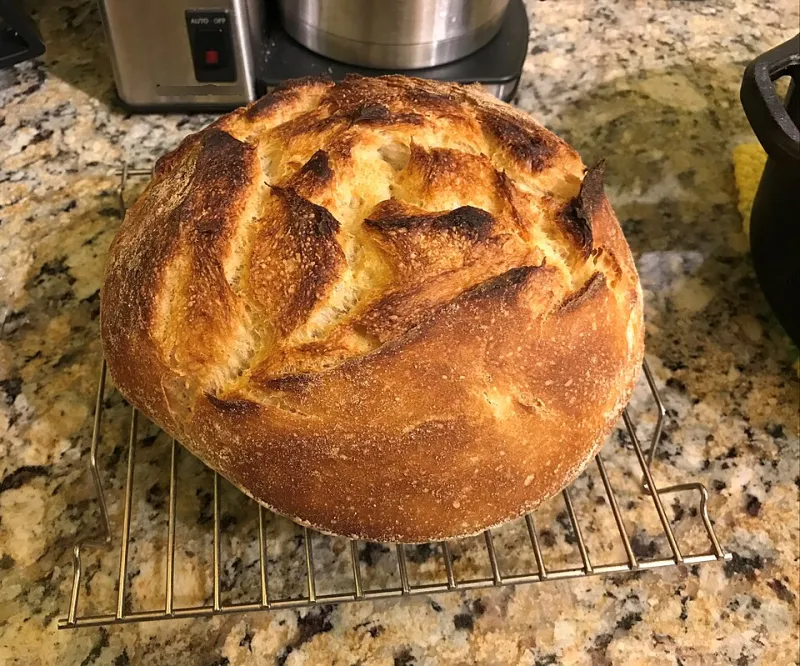
Photo: Nutrition, Food Safety & Health, CC0, via Wikimedia Commons
November has a way of shrinking the weekend. Saturday vanishes into errands and a funeral of daylight at half four; Sunday arrives with a list. Yet a proper sourdough loaf can still fit, if you stop treating it like a military operation and start using the cold to your advantage. This is the rhythm I use in a cool kitchen: mix on Friday, shape on Saturday, bake on Sunday. It is not a formula for perfection. It is a formula for bread that actually happens.
Friday evening: feed, mix, walk away
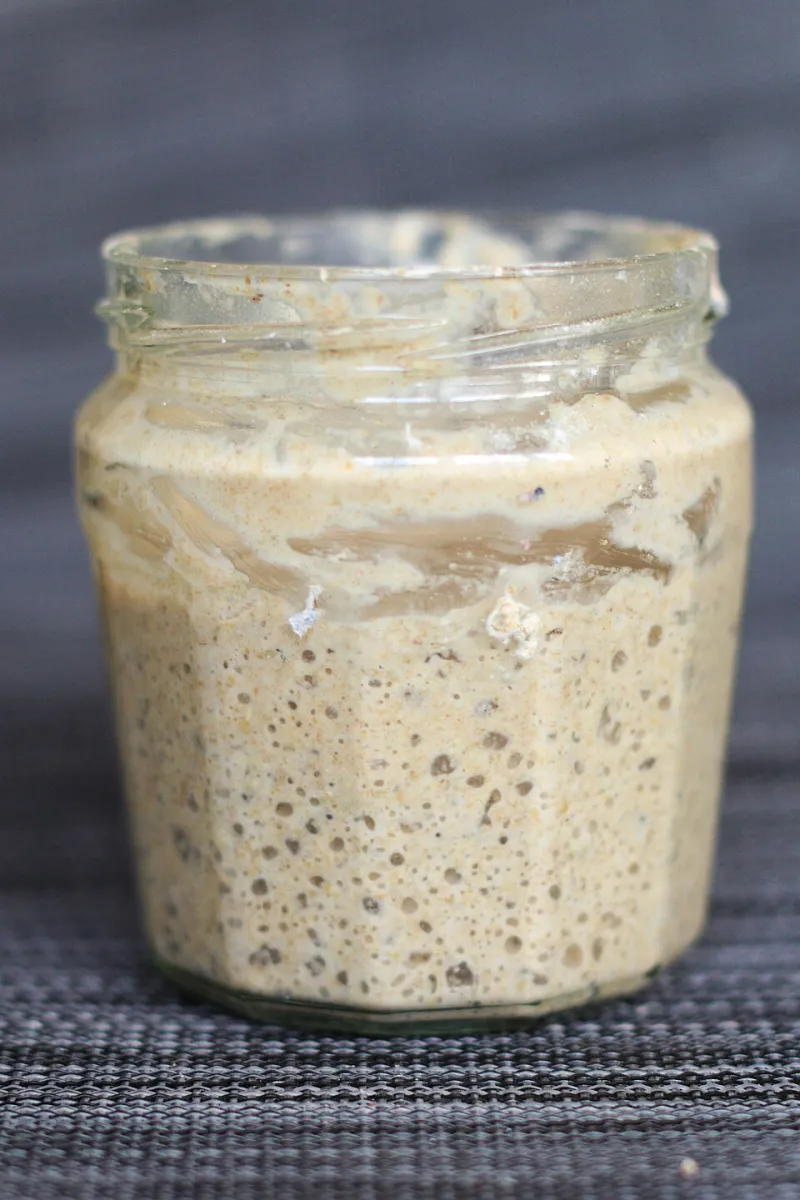
Start with the starter at about 6.30pm. If yours has been sitting in the back of the fridge looking sorry for itself, feed it in the morning instead and give it the day to wake up. By Friday evening it should smell pleasantly yoghurt-ish, not nail varnish-ish.
At 7.30pm, mix 500g strong white bread flour with 350g water and leave it to sit for half an hour. This little rest does more for your dough than a lot of aggressive kneading. At 8pm, add 100g active starter and 10g salt. Squeeze everything together with a wet hand until no dry flour remains. It will look rough, sticky and frankly unpromising. That is normal.
At 8.30pm, give it one set of stretch-and-folds in the bowl. Cover it and leave it on the coolest worktop in the kitchen. By 9pm you are done. Go and watch something rubbish on television. The dough is not your responsibility until morning.
Saturday: read the dough, not the clock
Check the bowl at about 8am. In a 17°C November kitchen it may look sleepy. That is fine. Cooler rooms slow fermentation, which is exactly what we want when the plan is to bake on Sunday rather than at midnight.
Let the dough bulk ferment for five to seven hours. Give it three or four sets of folds at roughly 9am, 10am and 11am. You are looking for a dough that has risen by about half to two-thirds, feels bouncy and shows a few bubbles around the edge. If your kitchen is properly cold, this may take longer. If it is warm because someone has cranked the heating, check earlier.
Shape at about 2pm. Turn the dough out, give it a gentle pre-shape, leave it for twenty minutes, then shape it properly. Put it into a floured proving basket or-lined colander, cover it and slide it into the fridge. It will sit there overnight, developing flavour and firming up enough to score cleanly on Sunday.
Sunday morning: the oven earns its keep
Put your cast-iron pot or heavy baking stone in the oven at 8am and heat it to 250°C. Give it a good forty-five minutes. A properly hot oven is half the battle.
Take the dough straight from the fridge, turn it out onto parchment, score it with confidence and lower it into the hot pot. Bake with the lid on for twenty minutes, then take the lid off and drop the heat to 230°C for another twenty to twenty-five minutes. If you are baking without a pot, use a preheated tray and a small dish of water underneath for steam, though the crust will be a little less dramatic.
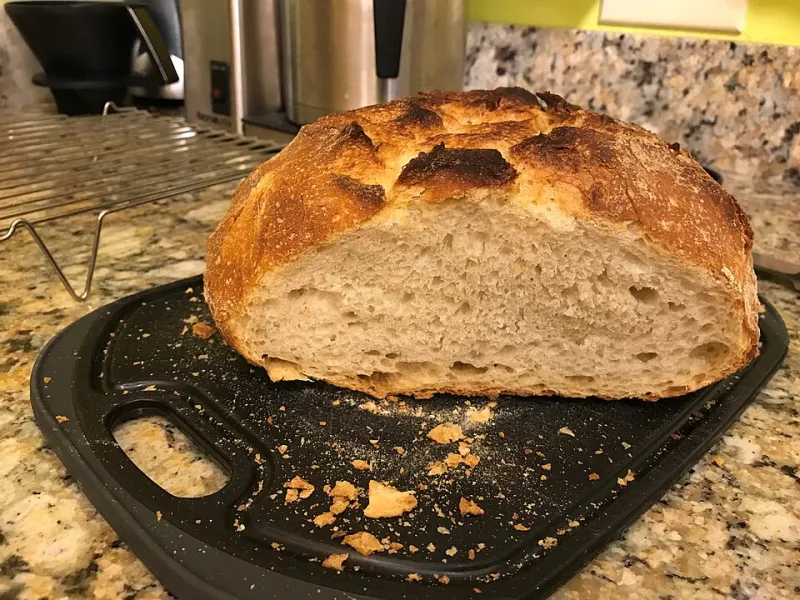
Leave the loaf alone for at least an hour before slicing. I know. I am sorry. But a hot loaf is still finishing its job inside, and cutting it early makes for a gummy crumb.
When the kitchen is colder than the recipe expects
Do not panic and do not chuck in extra yeast unless you genuinely want a different bread. Instead, warm your mixing water slightly, make sure your starter is at its peak, extend the bulk fermentation and find a sheltered spot for the bowl. The top of the fridge, a cupboard next to the boiler or an oven with only the light on can all help. Judge the dough by how it looks and feels, not by the clock on the wall.
Small oven, modest batch, good crust
If your oven is the size of a shoebox, bake one loaf at a time and do not crowd it. A small cast-iron pot, a heavy lidded pan or even an upturned metal bowl over a tray can create enough steam. Rotate the loaf halfway through if your oven has hot spots. And remember that a smaller batch is not a failure; it is simply bread that fits your life.
No proving basket? No problem
A colander lined with a well-floured tea towel makes a perfectly good banneton substitute. A mixing bowl works too. Use plenty of rice flour or semolina if you have it, and do not be shy with the flour. The loaf may come out with a less pretty pattern, but it will still taste like a Sunday well spent.
At Morena's, we are not interested in sourdough that only works in a professional kitchen with a proving drawer and a spare afternoon. We are interested in the loaf you can actually make between Friday tea and Sunday lunch. Feed the starter, mix the dough, let the cold do its quiet work. The weekend will still be busy. The bread will still be good.