More Loaves Than Mouths: Starting a Neighbourhood Crumb Club
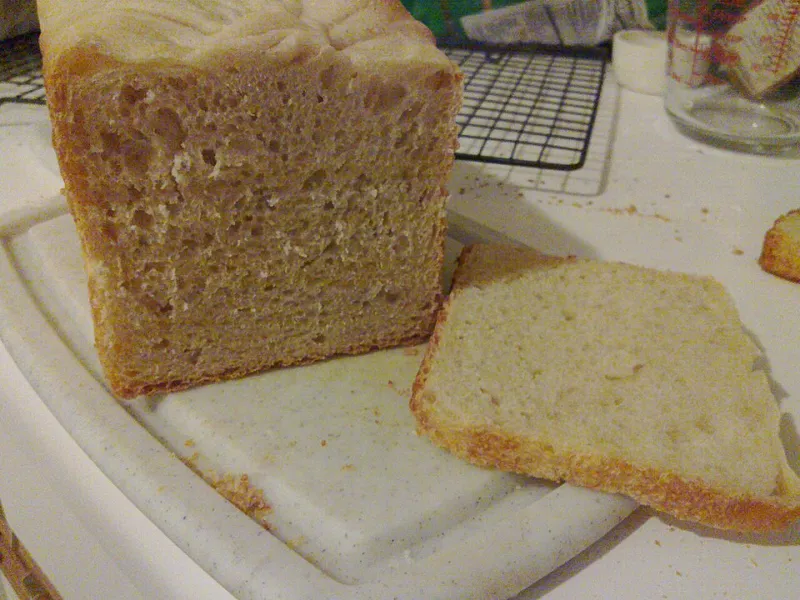
Photo: loppear, CC BY 2.0, via Wikimedia Commons
Sourdough has a quiet arithmetic problem. You keep a starter because you like the ritual. You bake one loaf because one loaf is manageable. Then you bake two because the oven is on anyway. Then someone gives you a jar of jam and suddenly there are four loaves on the cooling rack and only two people in the house who eat bread. This is how a crumb club starts, whether you mean it to or not.
A neighbourhood crumb club is not a bakery. It is not a subscription service, a side hustle or a reason to buy a second proving basket. It is a small, neighbourly arrangement: you bake a few extra loaves, someone else brings something to swap, and everybody gets bread that tastes better than the supermarket version. The trick is keeping it warm without letting it turn into admin.
What a crumb club is — and what it is not
The best crumb clubs are gloriously unambitious. One person bakes. A handful of neighbours collect. Maybe someone brings eggs, a pot of soup, a jar of marmalade or a bag of apples from a garden tree. Nobody invoices anybody. Nobody expects a customised loaf with their initials scored into the crust.
It is worth saying plainly: if money changes hands regularly, you are probably running a food business, and that comes with food safety and allergen obligations. A free swap among neighbours is a different thing from selling loaves from your kitchen. Keep the crumb club a swap, a gift or a shared table, and you keep it simple. If you do want to sell, treat that as a separate conversation with your local council and a proper food safety plan. This is the fun version.
The rule that keeps it warm: one bake, one window
Pick a rhythm and stick to it. Every other Friday. The first Saturday of the month. A Sunday morning once a fortnight. It does not matter which day, as long as it is predictable. Predictability is what turns a nice idea into a thing that actually happens.
Bake the same number of loaves each time — four to six is a sensible ceiling for a domestic oven — and offer them on a first-come, first-collected basis. Do not take special orders for different sizes, different flours or different scoring patterns. The moment you start customising, you have invented a bakery with worse margins and more WhatsApp messages.
A cold retard is your friend here. Mix and bulk-ferment on Thursday, shape and put the loaves in the fridge overnight, then bake on Friday morning. By the time the collection window opens, the loaves are cool, the kitchen smells amazing, and you have not been up since 4am. If you are baking six loaves, scale your recipe carefully and keep notes. Sourdough does not reward guesswork at volume.
A simple order sheet that does not become a spreadsheet
You need a list, not a system. A sheet of paper by the door works. A pinned note in a neighbours' group works. A shared online note works if your neighbours are that way inclined. Keep it to five columns: name, number of loaves, collection slot, allergens or dietary notes, and what they might bring to swap.
Set a cut-off. Wednesday evening is good. After that, the list is closed and the bake is planned. If someone asks for an extra loaf on Friday morning, the answer is a friendly no — or a yes if there is one spare, but not as a habit. The crumb club stays lovely when it has edges.
One collection window, ideally 90 minutes to two hours, is enough. Put the loaves on a table by the door, labels facing out, with a box for swaps and a note saying what is what. People can knock, chat for two minutes and go home with bread. You do not need to host a salon.
Allergens and labels: the boring bit that matters
Every loaf should have a label. It does not need to be beautiful. A strip of paper and a bit of tape will do. Write the date baked, the ingredients — flour, water, salt, starter — and any extras such as seeds, nuts, olives, cheese or dried fruit. Then write the allergens clearly: gluten from wheat is the obvious one, but nuts, dairy, sesame or celery seeds can turn up in a sourdough adjunct.
If you use the same bench, cloths and tins for everything, say so. If you cannot guarantee a gluten-free loaf, do not label one gluten-free. A neighbour with coeliac disease needs a proper separate process, not a hopeful shrug. Keep a simple ingredient list for each bake and photograph it if you are prone to losing paper. It takes two minutes and saves a lot of uncertainty.
The handover, without the hovering
A porch table is ideal. So is a kitchen windowsill, a hallway shelf or a dry box by the front door. Put the labelled loaves out at the start of the window, add a sign with the swap instructions, and then get on with your day. You do not need to stand there making conversation for two hours. The warmth comes from the bread and the fact that people know where to find it.
Ask people to bring their own bag or basket. Keep a spare roll of parchment for anyone who forgets. If there is a swap box, let it be genuinely optional. Someone who has nothing to swap should still be allowed to take a loaf; someone who brings a jar of marmalade should not be made to feel they have bought one.
Keep the warmth without the admin
A crumb club dies when it becomes another inbox. Keep one thread, one list and one collection window. Do not create a rota unless someone asks for one. Do not start a group chat for every bake. Do not apologise if the crumb is a little more open than last time, or if the scoring looks like a map of the M25. It is bread, not a portfolio.
If you want to make it feel special, add one small ritual: a note on the table saying what flour you used, a jar of jam for people to help themselves, or a suggestion to bring back the empty bag next time. That is enough. The point is not to become the neighbourhood bakery. The point is to turn a surplus loaf into a reason to say hello.
Sourdough is generous by nature — it multiplies, it bubbles, it asks to be shared. A crumb club just gives that generosity somewhere to go. Keep it small, keep it labelled, keep it free, and let the bread do the rest.