The One-Cake Christmas: A Six-Week Plan for a Happier Fruitcake
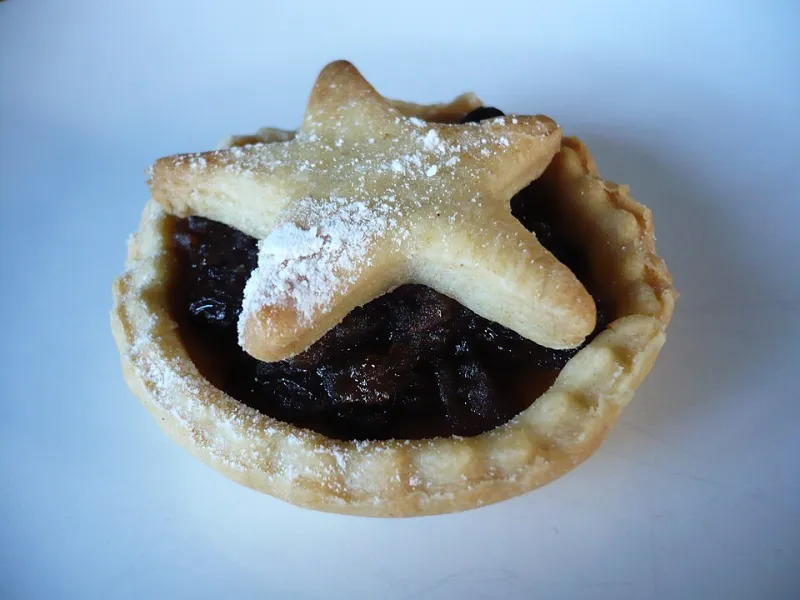
Photo: Sarah, CC BY 2.0, via Wikimedia Commons
There is a particular kind of November panic that smells faintly of mixed peel. It arrives when someone mentions that Christmas is six weeks away and you suddenly feel you should be baking five cakes, feeding them weekly and possibly knitting a hamper. You do not need to do any of that. You need one good cake, a tin that fits it, and a plan that bends when life gets in the way.
Today is 8 November 2026. If you are reading this with a cup of tea and a vague sense of duty, you are not late. You are early enough. Even if you bake on Stir-up Sunday — which falls on 22 November this year — there is still plenty of time for the cake to mature, settle and taste like Christmas rather than a last-minute panic.
Start with one decision, not five
The most useful thing you can do this week is choose a single recipe. Not the one with the longest ingredients list. Not the one that requires three types of alcohol and a ceremonial feeding spoon. Choose a fruitcake you actually like eating: dark and treacly, lighter and citrusy, or somewhere in between. A 20cm round cake is generous enough for a family, a few neighbours and a second slice on Boxing Day.
If you are baking for a household that avoids alcohol, soak the fruit in strong tea, apple juice or a gentle spiced cordial instead of brandy. The cake will still mature beautifully. The point is not to follow an ancient rulebook; it is to make a cake you will be pleased to cut into on Christmas Eve.
The six-week timeline that bends
Think of the next six weeks in loose phases rather than strict deadlines.
Week one, 8–15 November: soak your dried fruit. Currants, raisins, sultanas, chopped mixed peel and glacé cherries are the usual suspects. Put them in a large bowl, add your liquid of choice — brandy, sherry, rum, tea or juice — stir once, cover and leave overnight or for up to two days. If you forget, a couple of hours will do. If you remember at midnight, stir it then and go to bed.
Week two, 16–22 November: bake the cake. Stir-up Sunday on 22 November is a lovely traditional marker, but it is not a legal requirement. A cake baked on 15 November and a cake baked on 23 November will both be fine. Line your tin, preheat the oven properly, and bake low and slow. Most recipes sit around 140–150°C fan, but follow yours. The cake is done when a skewer comes out with a few moist crumbs, not a clean blade.
Weeks three to five: feed the cake once a week. One or two tablespoons of brandy, rum, sherry or apple juice is plenty. Poke a few holes in the top with a skewer, spoon the liquid over, wrap it up and put it back in its cool, dark home. If you miss a week, nothing terrible happens. If you feed it twice in one week because you are feeling generous, the cake will not collapse. It might just be a little more festive.
Week six: decide whether you want marzipan and icing. A naked cake, brushed with a little warmed apricot jam and wrapped in parchment, is a perfectly good Christmas cake. If you are icing it, do that in the last week so the marzipan has a few days to settle. If you are not, keep feeding until a few days before Christmas and then let it rest.
Tins, linings and the unglamorous bits
Use a deep tin. A shallow tin will make you nervous, and nervous baking is not the point. An 18cm or 20cm round tin, at least 7cm deep, is the sweet spot for a one-cake Christmas. Line the base and sides with a double layer of baking parchment. Some recipes ask for brown paper around the outside to protect the crust; if you have it, use it. If you do not, a strip of parchment tied with string will do a similar job.
Cool the cake in the tin for 15 minutes, then turn it out onto a wire rack. Leave it completely cold before feeding or wrapping. Warm cake plus foil equals condensation, and condensation is not a Christmas flavour.
Feeding without the faff
There are two schools of thought on feeding. One says little and often. The other says a good glug once a week and stop worrying. Both work. I lean towards the second. Keep a small bottle of your chosen liquid near the cake tin, along with a skewer and a roll of parchment. When you remember, feed it. When you do not, it will still be a cake.
Wrap the cake in parchment first, then foil. Store it in a cool cupboard, a pantry or a cool room — not the fridge, where it can dry out and pick up other flavours. If your kitchen is warm and humid, a cool bedroom wardrobe shelf is fine, provided the cake is well wrapped and away from strong-smelling things.
The neighbourhood collection plan
Here is the bit that makes this a Morena's-style Christmas: rather than baking five smaller cakes for five different people, bake one generous cake and plan a simple collection afternoon. It is not a business, not an order book, and not a reason to buy more tins. It is a reason to cut a cake with other people.
Make a paper list and stick it by the front door, or send one message to a neighbours' group. Put down a date in the week before Christmas, a two-hour window, and what people might bring: a jar of jam, a bag of clementines, a flask of tea. Label the cake with its ingredients and allergens — gluten, dairy, nuts if you have used them — and keep a knife, a board and a roll of parchment nearby. People can take a slice home or eat it standing in the kitchen. Both are correct.
If you are ordering from a bakery instead of baking, the same principle applies: one good cake, collected calmly, shared properly. Morena's Bakehouse has always been fond of a collection window and a bit of neighbourly chatter, and Christmas is the best excuse for both.
Storage, slicing and the last word
A well-wrapped Christmas cake will keep for weeks, and it improves for most of them. Feed it until about a week before Christmas, then leave it alone. Marzipan and ice it if you like, or keep it plain and dust the top with icing sugar. Cut thin slices. Serve with a wedge of Wensleydale if you are in that camp, or a spoonful of brandy butter if you are in the other.
The cake is not a test of your character. It is a nice thing to have in the house in December. Bake one, feed it when you remember, and share it with someone who will appreciate the crumb. That is the whole plan.